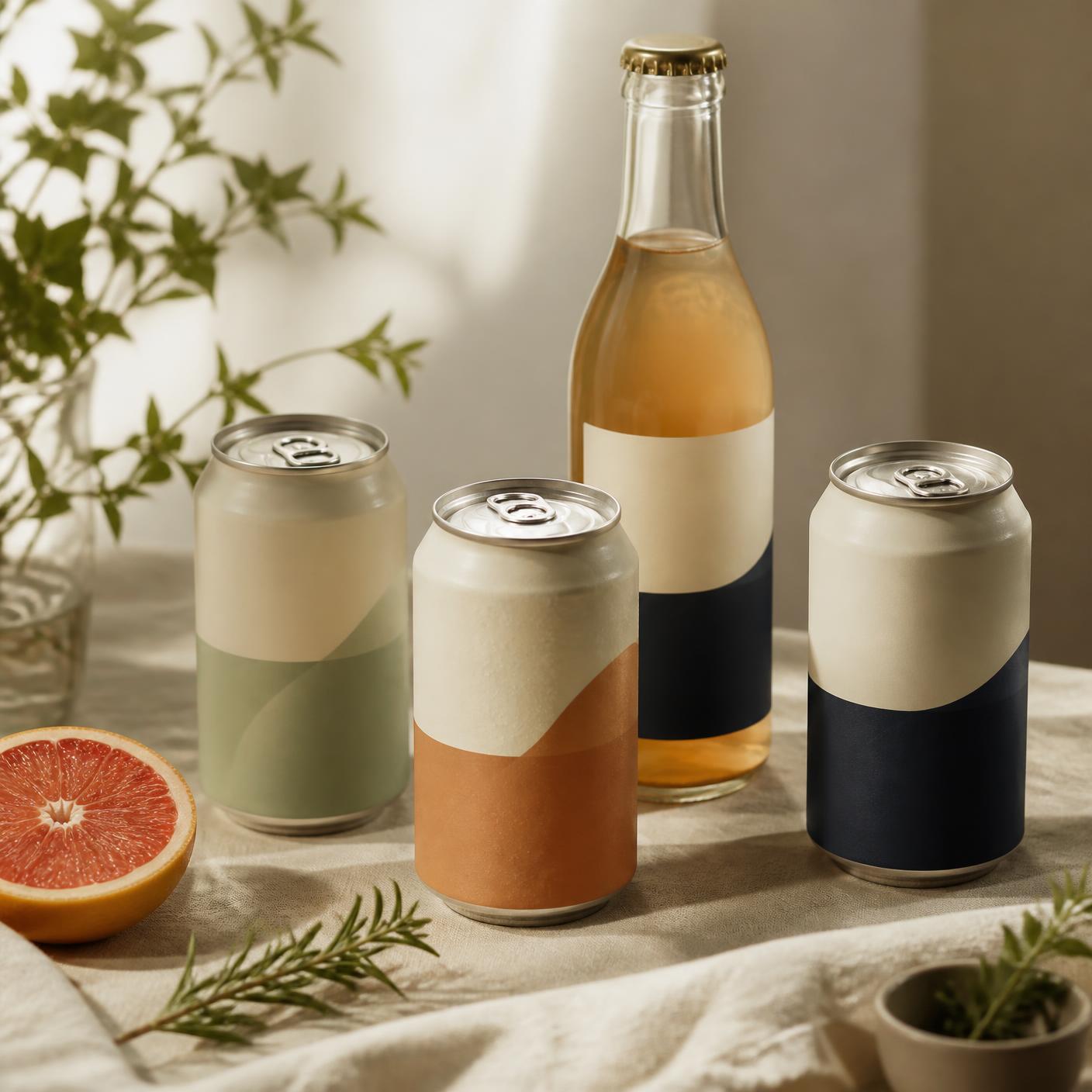
Every year brings a fresh batch of 'trends to watch' lists. Most are noise. A few point at real shifts in what consumers are buying and what that means for how a beverage gets made. Here's what looks durable heading into the back half of 2026.
Lower ABV is not a niche anymore
Session-strength beers and ciders, generally under 3% ABV, have moved from curiosity to mainstream consideration. Awareness and stated interest in these lighter formats are both approaching half of drinkers surveyed in recent industry research, a jump from a year ago. For a brand building a new SKU, that's a signal worth taking seriously: a lower-ABV or session variant is no longer a compromise positioning, it's a category consumers are actively looking for.
Cider is steady, and 'light' cider is the interesting edge
Hard cider overall has held roughly flat to slightly up year over year, a stable performance in a beverage alcohol landscape where several other categories have softened. The more interesting movement is underneath that topline number: lighter cider expressions, built around fuller flavor with fewer calories and often lower ABV, are emerging as the format winning new trial. Producers are also pulling back from heavily flavored, botanically-loaded ciders in favor of cleaner, more classic apple-forward profiles, even as flavor infusion (elderflower, ginger, chili) remains a visible trend at the margins.
What's in the can matters as much as what isn't
Functional ingredients, adaptogens, botanicals, small doses of caffeine or L-theanine, are showing up across both alcoholic and non-alcoholic formats. At the same time, 'less' is its own selling point: less sugar, fewer artificial ingredients, lower or zero alcohol. Brands don't need every functional ingredient on the shelf, but a clear, honest ingredient story is increasingly part of how a product competes, not just how it tastes.
Cans remain the default, and sustainability is the tiebreaker
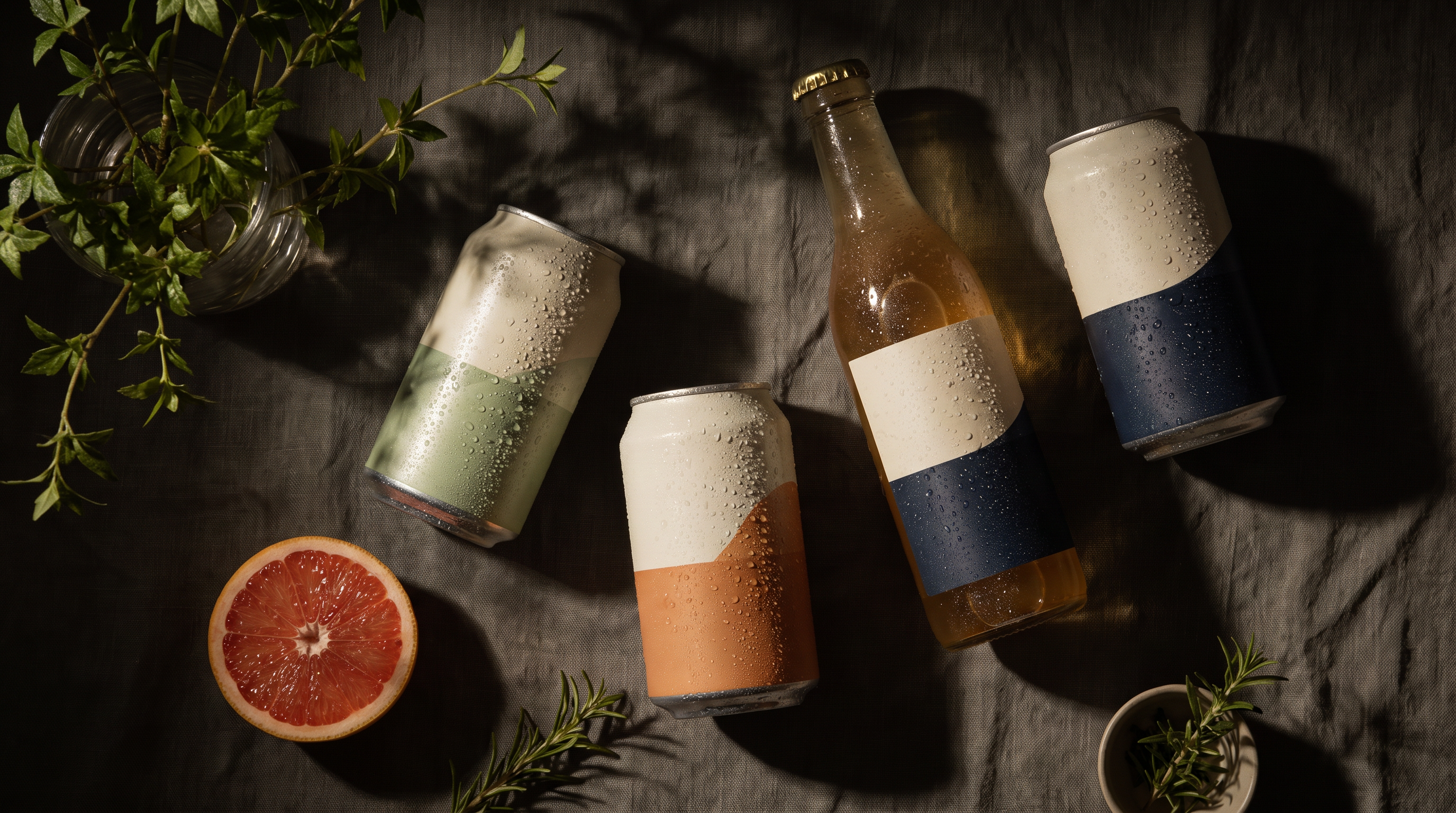
Cans continue to dominate new product launches, particularly in North America, thanks to portability, chilling speed, and lower shipping weight versus glass. Layered on top of that packaging preference is a growing sustainability expectation from consumers: recyclability, lighter-weight materials, and lower-carbon sourcing are increasingly part of the purchase decision, not just a corporate talking point.
What this means if you're planning a run
None of this requires chasing every trend. It does mean a few questions are worth asking early: does a lower-ABV or session version of your product make sense, is your ingredient list something you're comfortable being transparent about, and is your packaging format (can vs. glass) aligned with where the category is actually moving. Those three questions shape a lot of downstream decisions, from formulation to the co-manufacturing partner you'll need.