A first conversation with a co-manufacturer tends to go one of two ways: either you show up with the answers to the questions they're going to ask, or you spend that call finding out what you don't know yet. Here's how to make sure it's the first one.
There are two different MOQs, not one
Minimum order quantity gets used loosely, but it actually splits into two distinct numbers. A production MOQ is the smallest batch a facility will run for you, driven by their equipment and scheduling economics. A packaging MOQ is separate: it's the minimum a bottle, can, or label supplier will sell, which can be much larger than your first production run needs. It's common for a packaging supplier to require 50,000 units even when a facility is happy to run a much smaller batch, so plan for both numbers, not just one.
Typical ranges, and why they vary so much
Most beverage co-manufacturers set MOQs somewhere between roughly 5,000 and 50,000 units per SKU, though the range in practice is wider: some facilities are built for pilot-scale runs of a couple thousand units, others won't schedule a line for anything under a few hundred thousand. The number reflects how a facility's equipment and labor pay for themselves, not an arbitrary gatekeeping threshold. Getting this wrong in either direction, overestimating and tying up cash in inventory, or underestimating and getting turned away, is one of the more expensive mistakes a new brand makes.
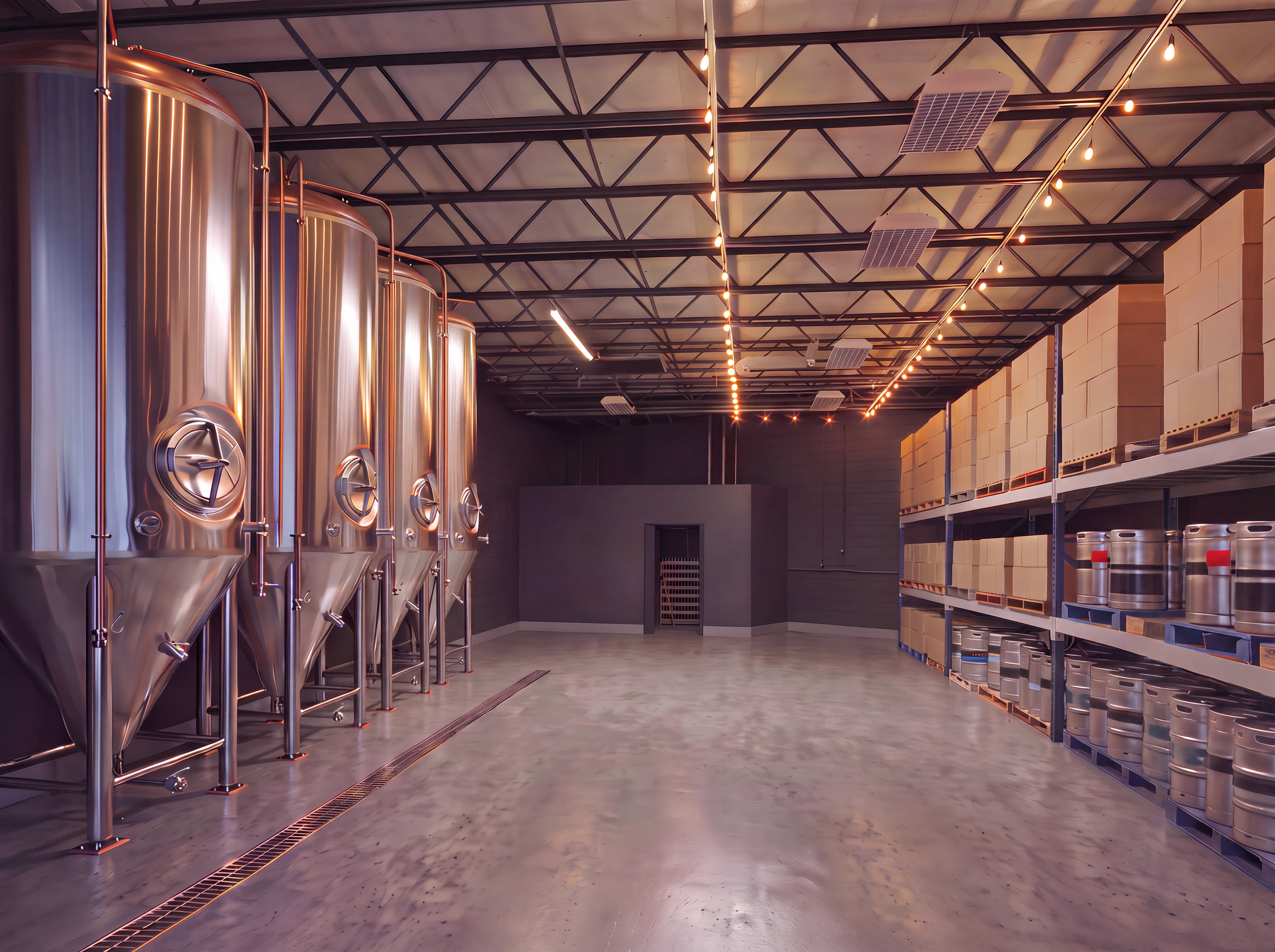
Certifications worth asking about directly
Current Good Manufacturing Practice (CGMP) compliance is table stakes. Beyond that, HACCP (Hazard Analysis & Critical Control Points) is one of the most commonly expected certifications in beverage production, and many facilities also carry SQF, GMP, Kosher, or Halal certification depending on what they run. If your brand carries or plans to carry a specific claim, organic, vegan, nut-free, allergen-free, confirm the facility can actually support that claim on paper, not just in practice. An in-house lab and the ability to produce recent audit reports and sample Certificates of Analysis (COAs) are good signs of a facility that takes this seriously.
What to have ready before you pitch
Before that first serious conversation, it helps to walk in with: your target MOQ and realistic growth trajectory for the next few production runs, a locked formulation and packaging spec, and shelf-life or stability testing that's at least underway if not complete. A facility that asks pointed questions about all three isn't being difficult, that's exactly the diligence you want from a partner who'll be running your product.