The pitch used to be: here's our brand story, here's our packaging, here's why we'll sell. That's no longer enough. Retail buyers in 2026 are asking a more specific question: prove it's already selling somewhere, to someone.
Demand evidence beats a good story
The brands winning new listings are arriving at category reviews with actual consumer demand data, DTC sell-through, sampling conversion, repeat purchase rate, rather than a market opportunity slide. Validating demand before a shelf conversation, not after, has become close to a baseline expectation rather than a nice-to-have.
Direct-to-consumer is a data engine, not just a sales channel
A DTC storefront, even a modest one, does two jobs at once: it moves product, and it generates the zero-party data (stated preferences, repeat behavior, direct feedback) that's becoming more valuable as third-party tracking keeps eroding. That data is exactly what a buyer wants to see translated into a pitch: who's buying, how often, and why they come back.
Creative and media need to be built together
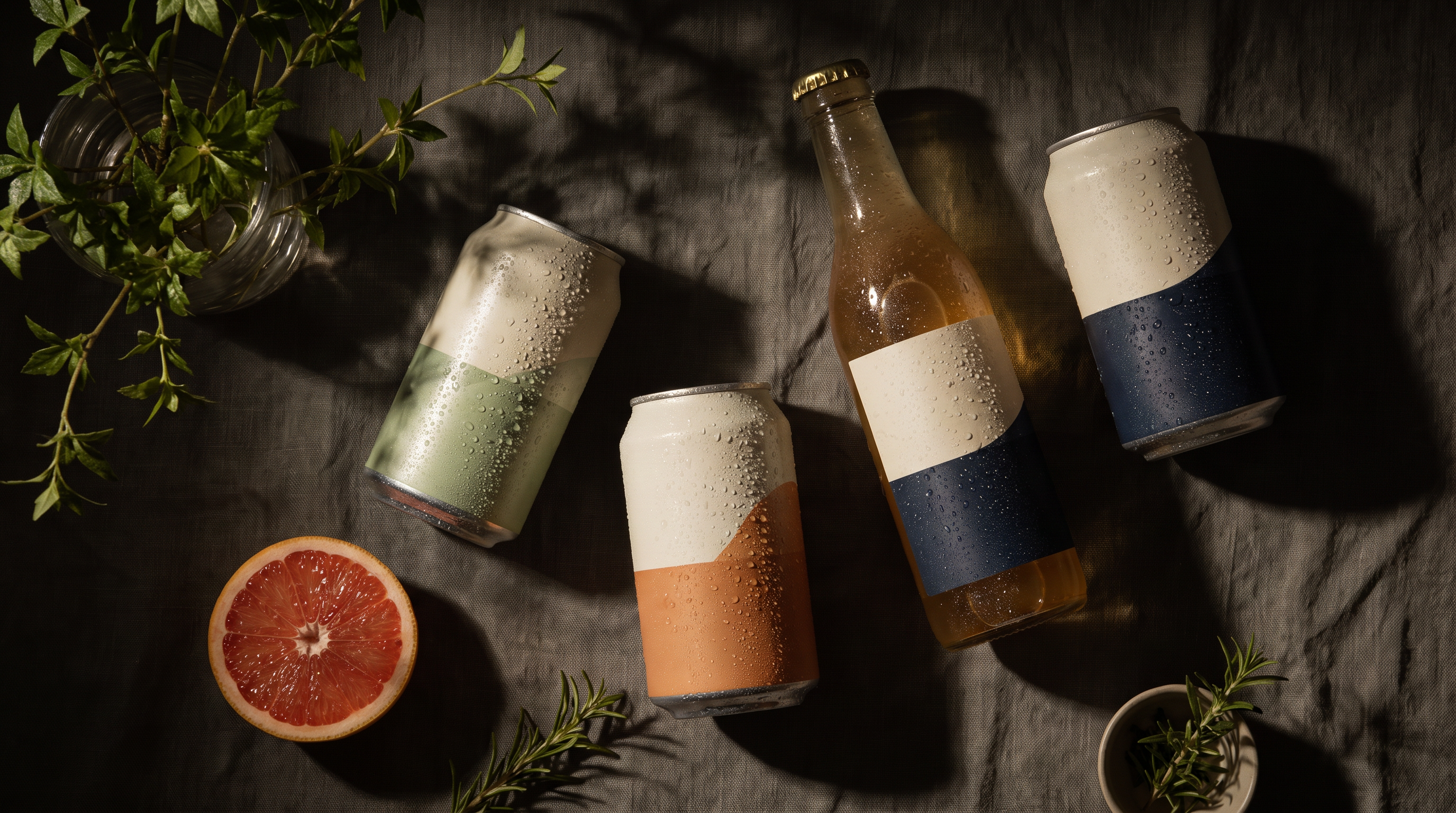
A pattern showing up in the fastest-growing craft beverage brands: brand creative and paid media creative are developed as one process, not handed off in sequence from a brand team to a performance marketing team afterward. Practically, that means the same people (or at least the same tight loop) are thinking about how a bottle photographs on a shelf and how a five-second video performs in a feed, from the start.
Sampling and experiential still earn trust that ads can't
Festivals, tastings, and pop-ups remain disproportionately effective for a new beverage brand, because they let someone try the product and hear the story in the same five minutes. Paired with an influencer or creator whose actual audience overlaps with your buyer, not just a big follower count, this kind of grounded, in-person proof point often shows up later as the anecdote that gets repeated in a buyer meeting.
The premiumization paradox
Consumer budgets are tight, but the data shows people drinking less often while spending more per occasion when they do. That rewards brands that lean into quality and story rather than competing purely on price, provided the fundamentals (all of the above) are in place to earn that trust.